Raising Biracial Children with Strong Cultural Identities
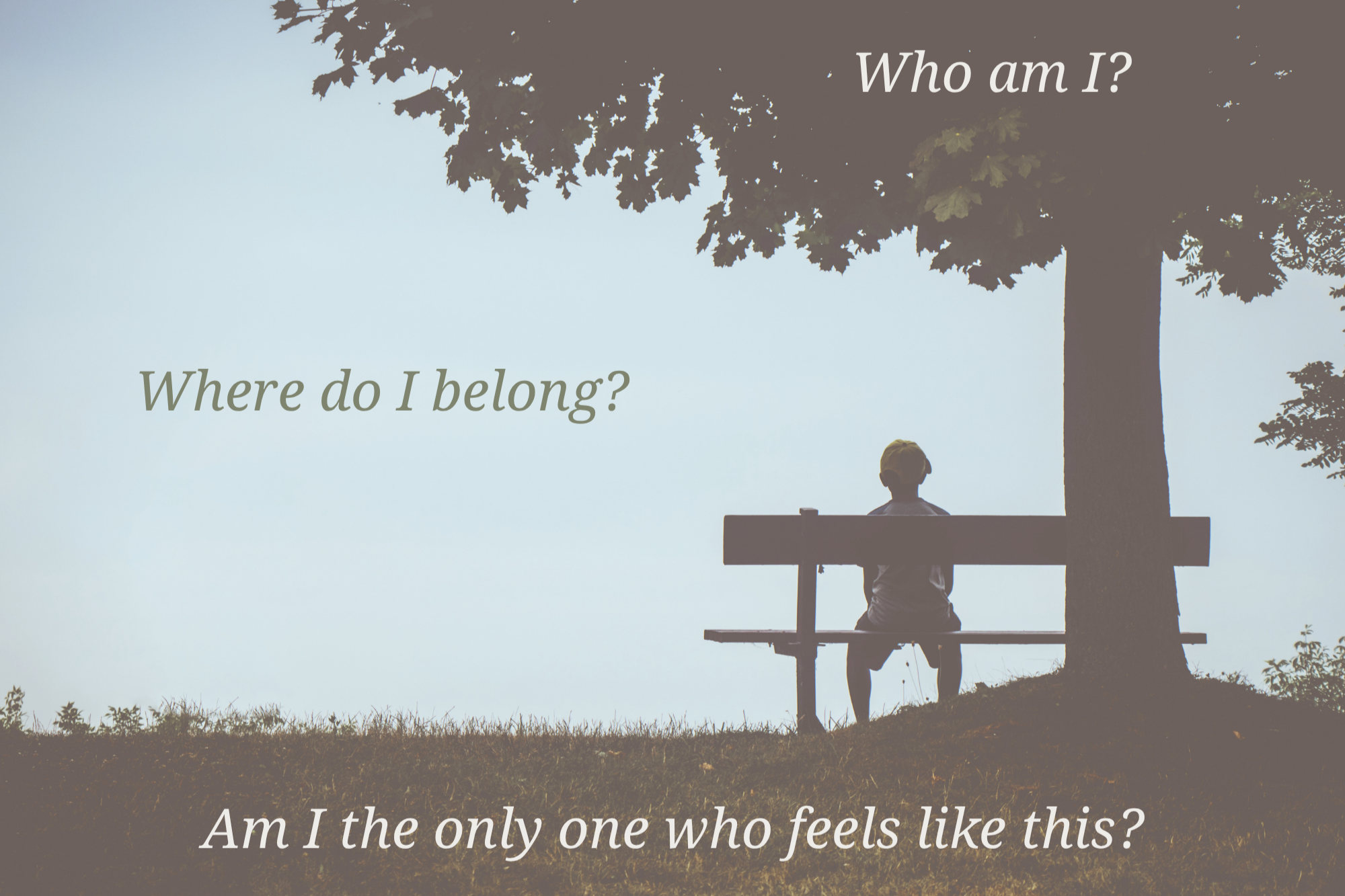
What is cultural identity? And why is it important?
Our cultural identity is shaped by the world we live in and the interactions we experience.
Cultural identity is a person's sense of belonging to a particular culture or group. It is shaped by the traditions, values, beliefs, language, religion, customs, history, and shared experiences of the communities they are part of.
Biracial children can have a cultural identity that reflects both sides of their family, but how they identify can be different for every child. Biracial people often feel like they do not belong anywhere — they are not “X enough” for their X side or “Y enough” for their Y side. As a parent, helping your child embrace the different parts of their heritage is a good place to start.
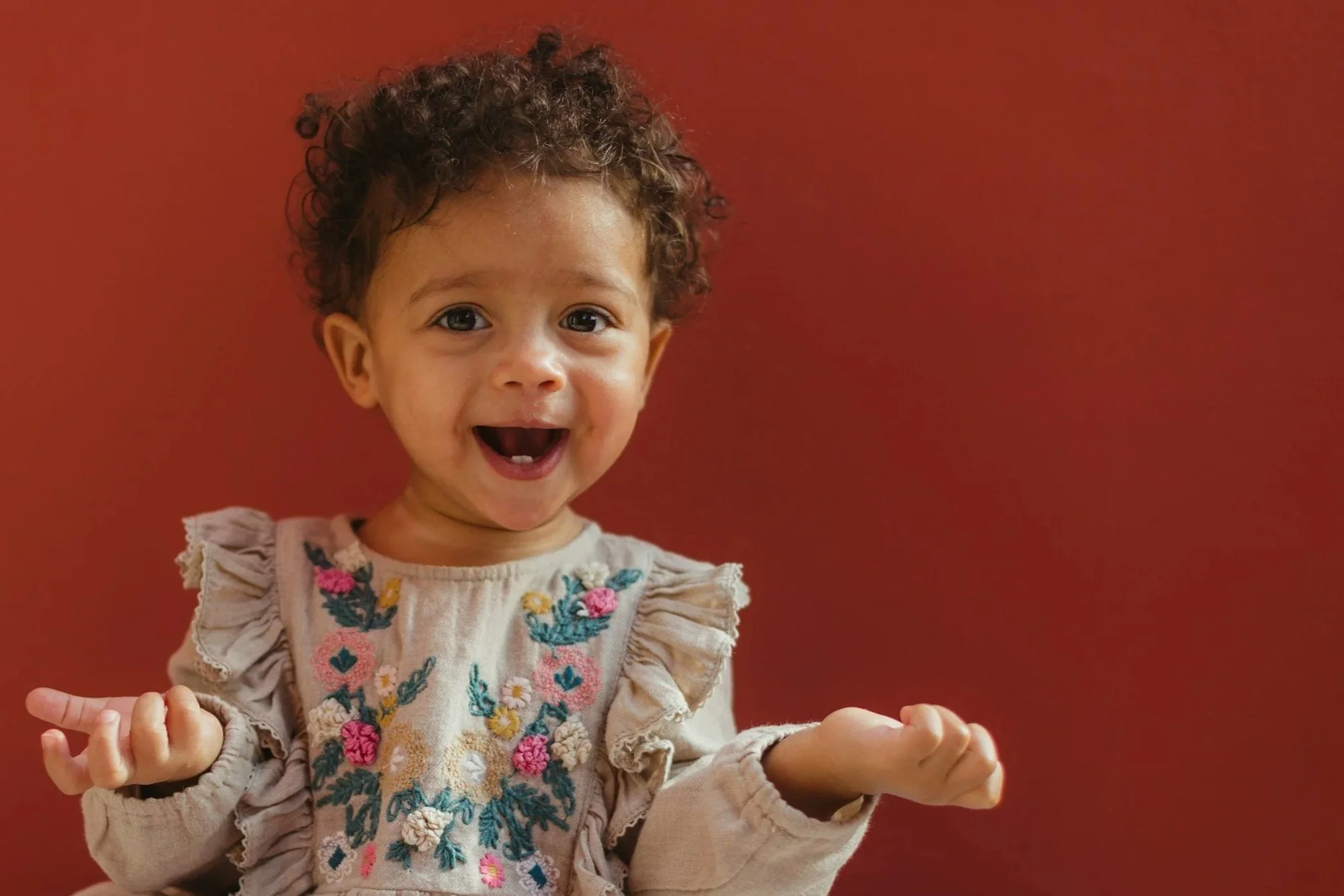
Teaching Children About Their Cultural Heritage
It's important to teach children about all parts of their heritage. For biracial children, this can be especially important because they may have connections to two or more cultural backgrounds. Although historical facts can be informative, supporting your child in learning about their culture can also be fun and meaningful through everyday experiences.
For example, parents can share:
traditional clothing
religious or cultural holidays and events
making and eating food
reading and telling stories
learning the language
These experiences can help children develop a positive sense of cultural identity, feel proud of all parts of their heritage, and understand that having more than one cultural background is something to celebrate.
Navigating Questions About Race and Identity
If you are a parent, you already know that children love to ask questions. For parents of biracial children, these questions can sometimes feel more challenging, especially when children are trying to understand their complex cultural identity.
Here are a few ideas for Q&A time:
Never be afraid to say “I don’t know.” There is no shame in not knowing, and it models good problem-solving when kids see you consult a source for help.
Unfortunately, kids will find out about discrimination, racism, colourism, and all the other things they may face by being biracial. Due to this, introducing these ideas early is helpful so that they are not surprised and know how to feel about the ideas.
If you tell your young child about how some people call other people names based on their skin colour, and how it is silly/mean/stupid, they will be prepared and know what kind of attitude to take if it happens to them.
Make sure that you tell your kids what you expect from them, and how that is different from societal expectations.
Be honest with your kids: their experiences will be different from either of their parents’, and maybe even from their siblings’.
Most importantly: LISTEN TO THEM. You may have never experienced something personally, but that doesn’t mean they did not. You are not the expert in their life experiences.

Creating a Supportive and Inclusive Environment
It’s important to frame these explorations about culture, heritage, and identity in a gentle way, both for the sake of your child and for your own sake. These discussions can bring up complex emotions and difficult memories for both children and families. Be prepared for experiences that may range from positive and meaningful to confusing or painful. Give yourself and your family time and space to process these feelings. Be patient with yourself and everyone else.
It can also help to explore all aspects of a child’s identity. If they are more familiar with one parent’s culture, spend extra time introducing them to the other. At the same time, continue to celebrate the culture they already know, so they can embrace all parts of their heritage.
One thing that you can do to help untangle these feelings is therapy — a therapist can help your entire family explore their identity with less emotional fallout. The ultimate goal is for your children to understand and recognize who they are, possibly informed by their culture, but ultimately decided by them. As their parent, your job is to create the space and give them the information to do that well.
Conclusion: Raising Confident and Resilient Biracial Children
Unfortunately for anyone human, one of the best ways to raise a child that is confident, resilient, and secure in their identity is to be that way yourself. If you do not feel that way, kids often respond well to learning something with a parent. You admitting that you have work to do will help them feel less alone and more forgiving of their own mistakes.
If all of this sounds impossibly daunting, book a consultation or session with Michelle. Therapy can be invaluable when we navigate situations that we know will affect our children.