2SLGBTQIA+ Identities and Racial Minorities
An Intersectional Perspective

What is intersectionality?
Intersectionality is the theory that explains how being a part of multiple marginalized groups can create brand new ways of being discriminated against, and how often people who are members of multiple oppressed groups find themselves connected to those groups in different ways.
Intersectionality was first used to discuss how Black women are treated based on both their sex and race, resulting in a different experience of the world than either Black men or white women. Since then, the theory of intersectionality has expanded to include social class, sexuality, age, disability, and anything else that causes discrimination (found here).
Why is this an important topic?
Right after Pride month, we can see an increase in public awareness and acceptance for the 2SLGBTQIA+ community compared to the past. Now, we have shows like Heartstopper and Heated Rivalry, which are wildly popular and give 2SLGBTQIA+ couples and relationships an opportunity to be as celebrated, messy, and normalized as any other. Adults who are still young, in their 20s and 30s, can remember shows like Glee or Modern Family, which had tiny amounts of representation that were often limiting, stereotypical, and controversial, so of course things are getting better! And for many, if not most, within the community, this is true!
However, intersectionality reminds us that there is no monolithic experience, no one way to experience being female, or Japanese, or bisexual, or anything else. This is also something that people within the 2SLGBTQIA+ community do not always acknowledge, that coming out to family or friends might look different to different people. Some people have support, love, and enthusiasm, while others are rejected and ostracised by their communities. These lines are not drawn EXCLUSIVELY by race or culture, but they do play a role.

We are probably all familiar with statistics that show how 2SLGBTQIA+ youth are significantly more likely to be bullied, twice as likely to feel suicidal, and make up 13% of the unhoused population, despite only representing 4% of the general population (found here).
2SLGBTQIA+ people of colour are less likely to come out to their parents, more likely to keep quiet about their identities to friends, and even less likely to participate in groups or activities that call attention to their gender or sexuality (found here). Many 2SLGBTQIA+ of colour who have strong ties to their heritage will hide out of fear of disappointing family, growing up with casual homophobia, or being taught that being gay is somehow a “Western fad” that they should steer clear of. When people of colour are able to come out regardless, people outside of their race will often make them uncomfortable in 2SLGBTQIA+ spaces, either by employing regular racism, or by sexually objectifying people based on racial stereotypes.
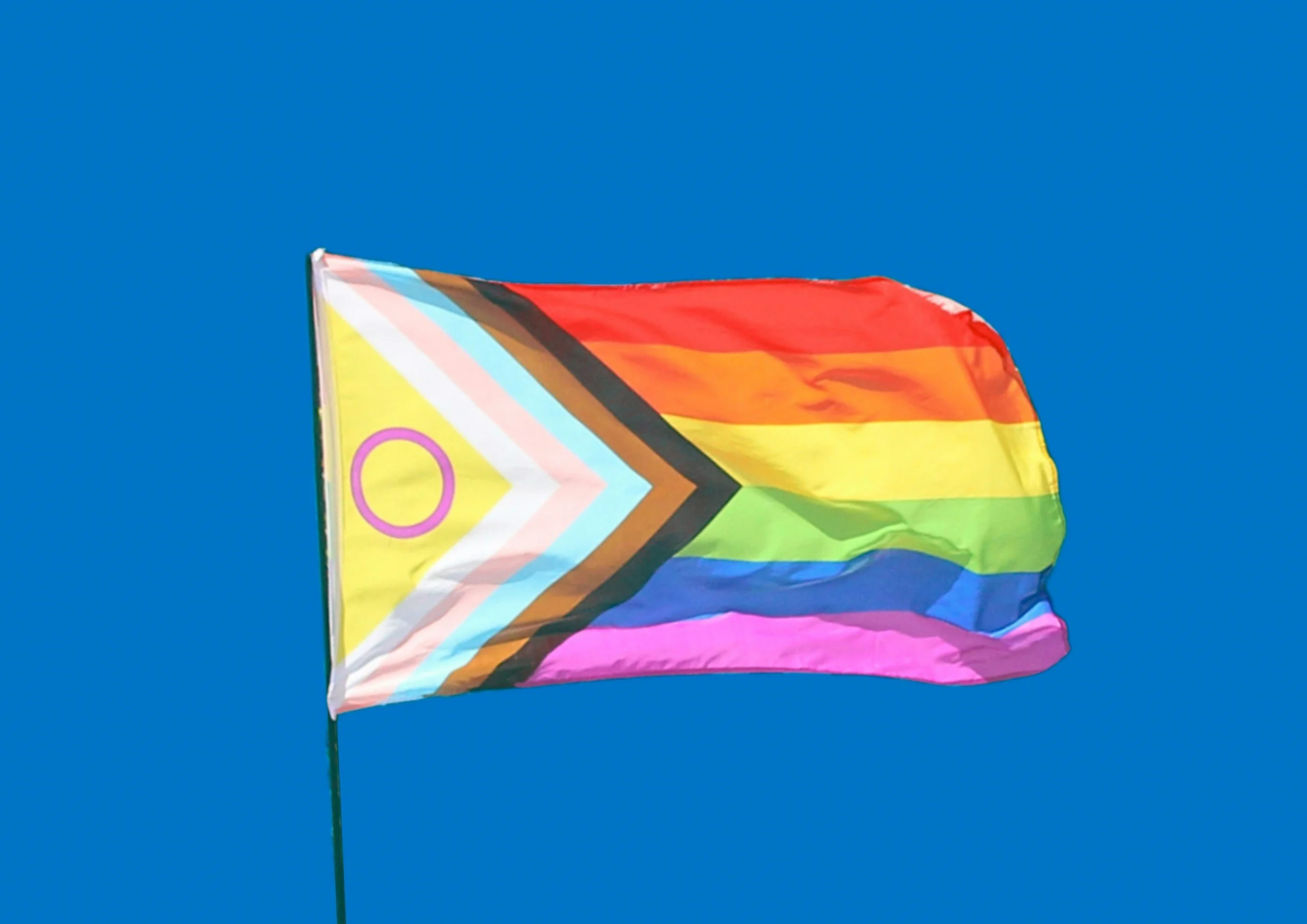
The impacts can extend to outside of their immediate circles, also. The news is frequently pointing out how people discriminate against transgender people, but trans people of colour are actually 2-4x more likely to face discrimination, abuse, or rejection in a healthcare setting compared to a white trans person. 2SLGBTQIA+ people of colour are also 2x as likely to be discriminated against in housing, jobs, and more (found here). These things have long-lasting effects on people and contribute to the previous statistics regarding a lack of enthusiasm for coming out.
So, what can we do?
Unfortunately, as a rule, groups who have poorer mental health also have less access to mental health treatments or support. This is a cyclical problem, since things like discrimination, socioeconomic status, or community support would contribute to both mental health outcomes and access to mental health care (found here). It’s hard to say which came first, the poor mental health or the discrimination, but it doesn’t matter in a practical sense. No matter what, the more intersecting areas of discrimination, trauma, or an -ism (racism, sexism, etc) that a person has, the more likely they are to have mental health concerns.
If this describes you, starting therapy could be very beneficial. Having a person outside of your daily life to listen and respond to you can be invaluable. If this describes someone else in your life, there are two big things to remember. First: having community can make a huge difference when battling mental health concerns. You can help by being part of their community and encouraging them to build more people around them. However, this leads to the second point: sometimes commiseration can feel like dismissal when the person you’re talking to can only understand half of the situation.
Imagine, for a moment, that you are allergic to nuts and dairy, and you have a friend who is only allergic to nuts. You are at a party where you can’t eat anything at all, but you see them enjoying several things. Later, you complain that there was nothing to eat – you aren’t even blaming anyone, just the world for making you allergic to things that are ingredients in every food! Your friend interrupts to say “oh man, I completely understand! I’m so hungry, I only had one plate of food, it’s so annoying to deal with allergies!”
In this situation, much like when 2SLGBTQIA+ people of colour are around either other 2SLGBTQIA+ people or other people of colour, it can feel like someone (even someone with good intentions!) is only listening to half of what they are saying, which is never a nice feeling. Pain and discrimination is not a competition, but when someone is sharing how they feel and you cannot relate to how many kinds of pain they are feeling at once, a better reaction is to acknowledge the differences and encourage them to talk more about it.
In the end, the goal is to be accepted for all parts of our identities – if one person can be Canadian and Korean and a man and gay, then surely the people around him can love all his parts. To love someone is to see them, so if you are actively ignoring parts of someone to pretend your experiences are the same, then you are not loving them fully.