Overcoming Family Disapproval in Interracial Relationships
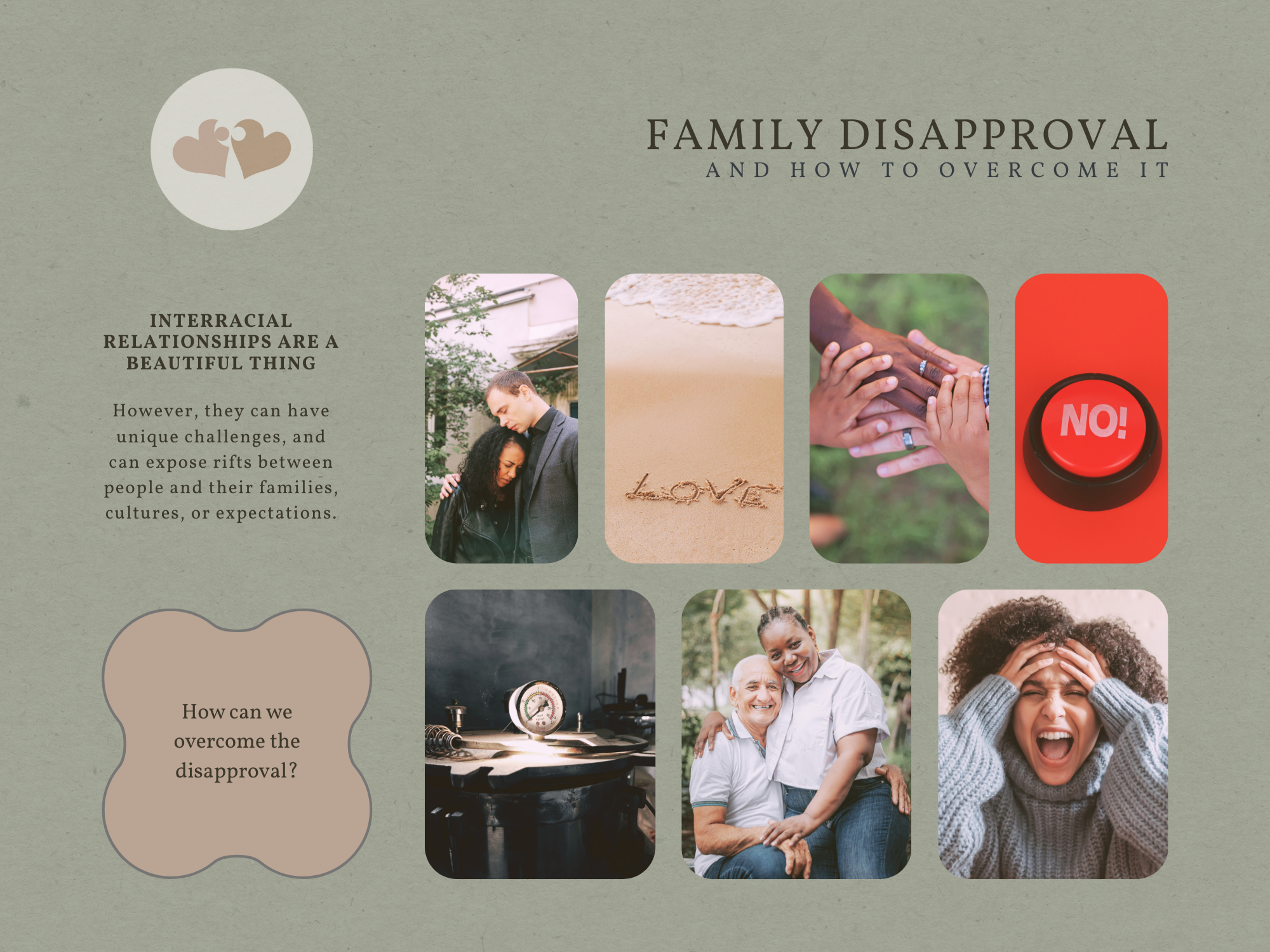
Introduction: Understanding Why Families Disapprove
For people raised in Canada, interracial relationships are both familiar and widely accepted. Since 1991, the number of interracial couples recorded in the Census of Canada has increased by almost 300% (data found HERE). On the other hand, older generations grew up in a time when interracial couples were rarer. If someone has never been exposed to interracial relationships, then having a family member in one could be jarring. Similarly, family members who have immigrated to Canada may have internalized their country of origin’s negative thoughts and attitudes towards interracial relationships.
Family members who are against interracial relationships often have similar fears and misconceptions – they are afraid that your new family unit will not preserve your cultural roots, that you will be judged by society, or they simply do not understand. The biggest fear often seems to be that a new spouse who does not understand their cultural priorities will ruin the future of the family, since they will not uphold their cultural expectations. While none of this excuses a lack of support, understanding someone else’s viewpoint is the first step towards being able to have a productive discussion.
How to Have Difficult Conversations With Family
Types of difficult conversations:
If you know your family will disapprove, introducing a new partner.
If your family has been unkind, exclusionary, or undermining your relationship, then addressing that problem.
If your family has outright said that they don’t approve, then a conversation about where to go from there.

Before starting the conversation, it is important to set boundaries with your family. First, think about what you want out of the conversation. Ask yourself your goal:
Do you want to understand their concerns so you can set their minds at ease?
Do you know their opinions and want to tell them to stop sharing them with you?
Do you simply want to express that you love your family and your partner, and that you need them to respect that?
Once you know what you want to accomplish, think about how you can get there
Will you give them space to talk and then ask that they let you answer?
Ask to speak uninterrupted and then they may ask questions?

Clarify with them BEFORE your conversation starts that it needs to be structured in this way so that everyone can be heard. This is a good time to establish the lines that you will not allow anyone to cross, such as “when you speak about my partner do not insult them” or “I will not listen to yelling.” If you are going to have a discussion with your family about this topic, be prepared for emotional responses from yourself as well as your family. Sometimes families may react by giving an ultimatum, constant subtle remarks, or outright rejection.
Speaking openly about how your family has hurt you, or other emotions you may have, can inspire them to express their emotions. If you use clear and empathetic communication, such as acknowledging the way they feel, they might be more open to listening to you. These interactions are essential to paving the way for open communication that lets down everyone’s walls – if you allow yourself to be vulnerable and admit they may have a point, they may follow.
Handling Emotional Reactions and Resistance

Being prepared to respond to your family’s opinions can be challenging, but you cannot allow it to change your own behaviour or beliefs. It is helpful to go into your discussion knowing how to respond to tactics they may use to guilt or pressure you.
One way to handle emotional reactions is to validate their thoughts. The occasional “you’re right” or “I hear you” can work wonders in showing that you are on the same team – as long as you follow up with clarifying what they are right about. If your family uses pressure to convince you, it often helps to call it out directly and say, “I feel pressured by you.” If that is too direct, responding to the comment at face value or asking “what did you mean by that?” are less confrontational ways to address the comments. If all else fails, and they continually cross boundaries or need to be called out for guilt tripping, a dismissive “no thank you” or “excuse me” often shuts down unwanted comments.
Navigating Cultural Expectations While Honouring Your Relationship
Before your family discussion, sit down with your partner and talk about how your families have honoured your cultures throughout your life. Discuss which parts you would like to continue, and which you care less about. If there are places where you both feel strongly about something, come up with a very bare-bones plan about how you may compromise. For example, if you both prioritize keeping fluent with your native languages, plan to spend some time each week teaching each other some words and phrases. Having this vague plan on how to balance your personal and cultural values will allow you to put some of your family’s fears to rest (or at least show them that you have thought about the topic) and are taking your culture seriously.

It is essential that you and your partner have open and honest conversations about these topics, to help your relationship run smoothly. Focus on the traditions that you each care about, not what your family expects. Remember that you are on each other’s team!
Finding Support and Building Resilience
Having a couple’s therapist is a wonderful tool when having difficult discussions like this, as well as when handling familial disapproval, because they are there to guide conversations and mediate between you. Going to couple’s therapy is not only for when a relationship is in crisis, but also for general upkeep and when dealing with situations that might destabilize the relationship.
Another potential form of support, comfort, and help can be in joining support groups or community networks. Sharing your experiences with others that have been through similar things can help you feel less alone and may help guide you.
Conclusion: Embracing Your Love Story Despite Family Challenges

No matter what kind of external pressures you may be facing, focus on the reason that you are having these discussions in the first place – because you feel so strongly about your relationship that you are willing to face your family’s disapproval. You know that your relationship is strong and filled with love and mutual respect. If you can establish and maintain good communication, you will be able to deal with any family pressures you face.
Confronting your family, or having them confront you, can be a scary thought, so we encourage you to book a consultation with Hold to Heal Psychotherapy for guidance in overcoming family-related challenges, outside disapproval, and cultural or family guilt.